
Why Do Drivers Go the Wrong Way on BC Highways?
 Wrong-way driving on divided highways is uncommon, but the high closing speeds involved often make these collisions severe. Understanding why drivers go the wrong way and knowing how to respond can improve your chances of avoiding a crash.
 One of the most common questions about highway driving is also one of the most counterintuitive: why should a driver who is obeying the speed limit move aside for someone who is speeding? When introducing the "Keep Right, Let Others Pass" legislation, the Province explained that the objective was to improve traffic flow and reduce risky passing manoeuvres on higher-speed highways—not to change the enforcement of speed limits.
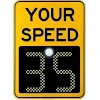 You see them everywhere across British Columbia: bright digital signs in school zones, construction corridors, and municipal transition zones flashing your exact speed back at you. When these roadside speed reader displays—technically known as Speed Display Devices (SDDs) or Driver Feedback Signs—first began popping up on B.C. highways, traffic engineers openly questioned their long-term viability. Would the novelty wear off once local drivers grew accustomed to them?
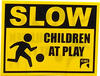 Every now and then, you will see them on a residential street: temporary plastic or corrugated yard signs, pushed into the grass on wire stakes, asking drivers to slow down because children are playing. They are always put up by residents with the absolute best of intentions. Frustrated by speeding traffic outside their front doors, neighbours are hoping to protect the kids on their block.
 Careless disposal of cigarette butts from vehicles causes significant roadside fire risks, particularly during dry summer months in British Columbia. This dangerous littering behaviour directly threatens public safety, wildlife, and property along highways.
 We might think that we are good at multitasking when we drive but neurobiology tells a different story. The multitasking myth contributes to the risk of being involved in a collision because our brain is not wired to do it.
 When the conversation turns to driving one of the first questions raised is why don't B.C. drivers follow the traffic rules? Our system is complex and involves people with many different skills, attitudes and perceived needs. They see themselves as good drivers and believe that other road users are the problem to be solved.
 "Haven't you got anything better to do?" This was a common attitude expressed by drivers after being told that they had been stopped for a traffic rule infraction. "Why aren't you out catching real criminals?"
 It has become a habit to check the gas price every time I leave the neighbourhood. I would not have imagined that I would be seeing prices over $2.00 per litre a few months ago. Since I don't yet own an electric vehicle, I choose ecodriving techniques to save money and realize that my choice can also result in improved road safety.
 My neighbour raised the subject of driving a couple of days ago in conversation at the community mailboxes. He observed that he often encountered drivers straying out of their lanes in our area, sometimes to the point where they were completely on the wrong side of the road. "Practice makes permanent" he said, "that's something my instructor told me when I was learning to ride a motorcycle."