
Bicycles & Lane Use Sign
- Read more about Bicycles & Lane Use Sign
- Log in to post comments
 Question: Eastbound on Point Grey Road at Alma Street in Vancouver there are two bike lanes on the north side of the street that are allowed to cross Alma Street without stopping. On the diverter is a lane use sign for Eastbound traffic, "no straight ahead except for bicycles".
 Here is another video from
 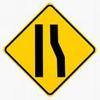 One correspondent observed that "It seems that drivers in BC generally have a big problem when it comes to merging. In this case let's say from two lanes to one. In the normal course of events merging shouldn't be any hassle at all - take turns, one from the left then one from the right - it all moves along nicely, and has a minimal effect on holding up traffic. Not in BC! Here it appears to be everyone for him / herself.
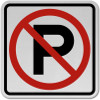 Parking, stopping or standing, what's the difference and why is it important to you as a driver? Recognizing these road signs and knowing what is allowed and what isn't with regard to these three situations can mean the difference between your convenience and being ticketed and towed for ignoring or mistaking them.
 The Institute of Transportation Engineers is a North American body that develops technical resources including standards and recommended practices used in our road designs. One of their newest resources aims to assist transportation professionals in the planning, design, and operation of bicycle traffic signals. It is available to the public as well, so if you are curious about what could be done to develop the cycling route you use, the site offers plenty of information.
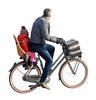 QUESTION: Eastbound on Point Grey at Alma there are two bike lanes on the north side of the street that are allowed to cross Alma without stopping. Cars eastbound on Point Grey must turn either right or left, and there is a curb/diverter on the far side to prevent them going straight through.
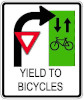 Question: I was driving at the intersection of 2nd Avenue and the Cambie Street on ramp in Vancouver. I turned right on a green light to head onto Cambie Street. I did not have to yield to any pedestrians as they were being held by the pedestrian signal. I moved about 20 feet into turn and my car was struck on the passenger side by a bicyle rider doing full speed.