
BC Collision Statistics & Traffic Injury Estimates (2026)
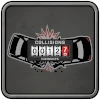 Traffic safety remains a critical public health and economic challenge across British Columbia. The rolling model below provides a live, data-driven projection of cumulative road safety outcomes and transport incidents across the province since January 1, 2026:
 A green light gives you the right of way, but it does not remove your responsibility to watch for hazards. A decision of the Supreme Court of British Columbia illustrates how a driver can be held partly responsible for a collision even when a pedestrian crosses against a red light.
 A driver can be travelling at or below the posted speed limit and still be driving too fast for the conditions. The appropriate speed depends on more than the number displayed on a roadside sign. Drivers must consider the road ahead, the traffic around them, how far they can see and the conditions affecting their ability to stop or avoid a collision.
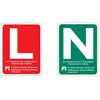 British Columbia's Graduated Licensing Program (GLP) gives new drivers time to gain experience while following additional licence restrictions. Learner and novice drivers must comply with the conditions of their licences, and violations can have consequences beyond a traffic ticket. Changes effective October 19, 2026, introduced a Driving Record Assessment for eligible novice drivers seeking to advance to a Class 5 licence, followed by a 12-month period with zero-alcohol and zero-drug restrictions.
 You've been involved in a collision and your vehicle is damaged. Perhaps a headlight is pointing in the wrong direction, a signal light is missing, or a damaged bumper has been removed to provide clearance for a tire. Your insurance assessment and body shop appointment are still pending. Can you keep driving until the repairs are made?
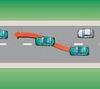 Changing lanes is a routine driving task, but doing it safely requires planning, observation and good judgment. You need to know what is happening around your vehicle, choose a suitable gap, communicate your intention and make sure the manoeuvre will not interfere with other traffic.
 Most drivers experience frustration on the road from time to time. Congestion, delays, and the mistakes of other road users can test our patience. The danger begins when frustration turns into deliberate intimidation, threats, or violence.