
R. v. Jacobson: Emergency Vehicle Driving Privileges
 An emergency vehicle's flashing lights and siren do not give its driver an unrestricted right to disregard the rules of the road. British Columbia's Motor Vehicle Act permits certain driving privileges in defined circumstances, but the driver must have a proper justification for exercising them and must continue to drive with due regard for safety.
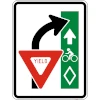 A BC Supreme Court decision explains how drivers must safely turn across a dedicated bike lane and why both the driver and cyclist were found partly responsible for the collision.