
Question: Friends of my parents were returning from Vancouver to Kelowna after a hockey tournament when they were stopped for speeding. They were travelling at 124 km/h in an 80 km/h zone—44 km/h over the posted speed limit.
The officer told them that they could receive an Excessive Speeding violation ticket and have their vehicle impounded. The driver replied that they had not realized the speed limit had been reduced to 80 km/h.
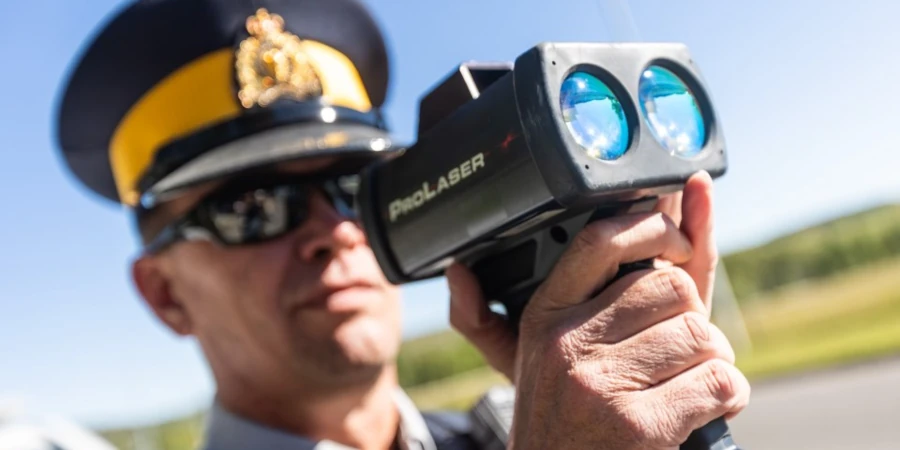
In the end, the officer allowed them to continue without issuing a ticket or arranging for the vehicle to be impounded. Does a police officer have discretion to do that?
Quick Answer
Police officers generally have discretion when deciding whether to issue a violation ticket. Vehicle impoundment for Excessive Speeding is different. The Motor Vehicle Act says that when an officer has reasonable grounds to believe a driver has committed the offence of Excessive Speeding, the vehicle must be impounded.
Why the Impound Is Different
Section 251 of the Motor Vehicle Act requires a peace officer to impound a vehicle when they have reasonable grounds to believe that the driver has committed the offence of Excessive Speeding under section 148. Unlike many enforcement decisions, the legislation uses mandatory language rather than giving the officer a choice.
In other words, if an officer has reasonable grounds to believe that the offence of Excessive Speeding has been committed, the legislation directs that the vehicle be impounded.
Does the Officer Really Have No Choice?
As a practical matter, police officers exercise judgment every day. In rare circumstances, an officer may decide not to proceed with an impound even though the legislation requires one.
That does not mean drivers should expect the same outcome. An officer who decides not to proceed with an impound despite the statutory requirement is making an enforcement decision that departs from what the legislation directs. Drivers should regard that as an exception rather than something they can expect.
Simply telling the officer that you did not notice the reduced speed limit is unlikely to change the outcome. Drivers are responsible for observing and obeying posted speed limits.
What About the Ticket?
The decision whether to issue a violation ticket is different. Police officers have long exercised discretion in deciding whether enforcement action is appropriate. Depending on the circumstances, an officer may choose to issue a warning, write a ticket for ordinary speeding, or issue a violation ticket for Excessive Speeding.
If the matter proceeds to court and the evidence proves that the driver exceeded the speed limit by more than 40 km/h, the justice hearing the case must impose at least the minimum penalty prescribed by law. The court does not have discretion to reduce the fine below the legislated minimum.
Conversely, if the evidence does not establish Excessive Speeding but does establish ordinary speeding, the court may convict the driver of the lesser speeding offence instead.
Not noticing a reduced speed limit is not a legal defence. Drivers are expected to observe and obey posted speed limit signs.
Bottom Line
Police officers have considerable discretion in deciding whether to begin enforcement action. However, once an officer has reasonable grounds to believe that the offence of Excessive Speeding has been committed, the Motor Vehicle Act requires the vehicle impound.
Receiving only a warning after travelling more than 40 km/h over the speed limit would be unusual. Drivers should never assume that saying they did not notice a lower speed limit will avoid both a violation ticket and an impound.
Learn More
- Log in to post comments