READING - Traffic Calming and Emergency Vehicles
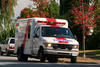 One of the drawbacks of traffic calming measures can be the effect that they have on the response time of emergency vehicles, particularly fire apparatus because of their size. This does not have to be the case as well-conceived traffic calming techniques and traditional neighbourhood street design can accommodate the needs of emergency responders while creating safe and livable neighbourhoods.
 It seems that the traffic police enforce only three things where I live: speeding, seat belts and alcohol. From my point of view there is effectively no policing of other bad driving habits. Consequently we now have a majority of drivers not using signals to change lanes.
 Karen Nishimura was a passenger in a vehicle that was involved in a collision that caused her injury. During her recuperation she used up the banked sick time she had accumulated through her job. Realizing that she might need that sick time if she did not heal from her injury properly or that it would not be available to take as a benefit when she retired, she asked ICBC to compensate her for it.
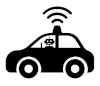 An American Automobile Association (AAA) study in 2018 found that over the course of 4,000 miles of real-world driving, vehicles equipped with active driving assistance systems (ADAS) experienced some type of issue every 8 miles, on average. Drivers are reminded that ADAS is not a replacement for paying full attention at all times when you drive.
 Every year beginning on October 1st, B.C.'s highways are posted with signs that require the use of winter tires for light vehicles. The sign shows both the mountain & snowflake symbol and the M+S acronym. While both types of tire meet the requirements, it is very important to understand what M+S really means.
 The City of Kamloops and School District 73 (Kamloops-Thompson) have teamed up to test a
  This is a driver's version of what we teach our children to keep them safe. Look both ways before you cross the street! Nikolai Arcilla failed to follow this simple rule as he crossed Inverness Street at 49th Avenue in Vancouver. A crash resulting in a vehicle rollover was the result.
 Failing to remain at the scene of an accident, or hit and run as it is more commonly known is without a doubt a daily occurrence in British Columbia. We all know that we are doing something seriously wrong when we hit a cyclist, pedestrian or other vehicle on the highway and leave the scene to escape civil and criminal liability. However, we're not quite so worried when the collision is a scrape or a dent in a parking lot or something else that we can convince ourselves is of a minor nature.