
Do I Have to Shoulder Check?
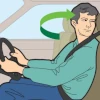 Is it really necessary to make a shoulder check while driving? If you expect to pass a driving exam in British Columbia the answer is a definite yes. However, some driving schools are teaching mirror adjustment techniques to replace shoulder checks.
 We all know that the law requires that we wear our seat belts when driving. The Motor Vehicle Act says in part "..wear the complete seat belt assembly in a
  This case resolves liability for a collision that took place at the intersection of Rutherford Road and Cedar Ridge Place in Nanaimo. A car was being driven eastbound on Rutherford Road by Gordon Pereira at a speed of between 80 and 115 km/h in the 50 km/h municipal speed zone. A van driven by William Jory stopped at the stop sign northbound on Cedar Ridge Place and then began to turn west on Rutherford Road.
 I've been driving with
  The addition of a five-foot stop sign arm installed on one of Mineral County, West Virginia's school buses is proving to be helping to keep children safer, school officials said. John Droppleman of the school system’s transportation department told the Board of Education on Tuesday that the extended arm was installed on bus No. 57.
 We take the lines painted on our roads for granted today, but the first attempts at implementing them were met with resistance. This short video on the history of lane markings is a study in the rapid effect of new technologies and the ability of a few people with a good idea to have a large impact.
 School crosswalk safety should be a high priority for parents who drive to drop off and pick up their children each day. They are supposed to be the responsible ones who provide the good example in what is often a confusion of traffic.
 Holland has a serious pollution problem from nitrogen oxides and particulate matter in the air. The air pollution levels are above those permitted by European law and are mainly caused by motor vehicle traffic and factories.
 Question: I bought a used newer truck from a dealership and was told prior to signing the final documents that the truck had gone through a full safety inspection. Less than two weeks later I was pulled over and issued a ticket for improperly equipped motor vehicle and issued a box 2 inspection order for my 2017 Dodge Ram 3500.
 Our government continues to roll out electronic tickets, which are intended to replace paper traffic tickets, reduce red tape, allow officers to respond to traffic offences more efficiently. They will also provide more accurate data that will help to improve road safety programs and policies.