
A common question from drivers who receive a speeding ticket is whether police must use radar or laser to prove that they were speeding. A British Columbia appeal decision shows that radar or laser is not always required. Under the right circumstances, a court may accept a police officer’s visual estimate of speed as evidence. Under the right circumstances, a court may accept a police officer’s visual estimate of speed as evidence.
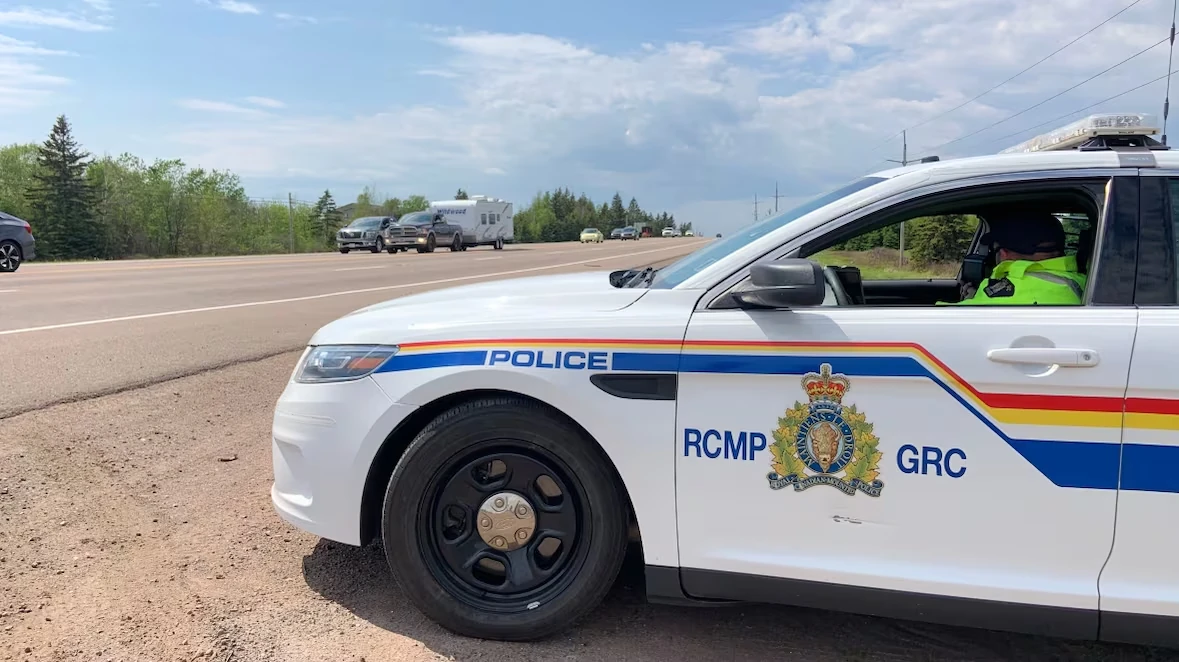
The case of R v Zargarian involved a driver who was convicted of speeding on a highway in Kelowna, BC. The officer who issued the ticket did not rely on a radar reading of the appellant's vehicle. Instead, he estimated the vehicle's speed based on his observations.
How the officer estimated the speed
The police officer testified that he was a regular member of the RCMP and regularly operated a police vehicle equipped with a speed-sensing radar unit. He explained that, as a matter of practice, he compared the radar readings with his own estimates of the speed of approaching vehicles.
The officer told the court that his estimates were almost invariably within 10 percent of the speed measured by radar. When he observed the pickup truck approaching him, he estimated that it was travelling at approximately 100 km/h.
The officer then turned around, followed the vehicle, stopped the driver, and issued a speeding ticket.
What was challenged in court?
At trial, the driver did not challenge the officer's ability to estimate speed. Instead, his cross-examination focused mainly on where the vehicle was located in relation to different speed zones on the highway.
The driver argued that there was uncertainty about whether he was in a 60 km/h zone or a 70 km/h zone when the officer observed his speed.
The court accepted that there was some uncertainty and gave the driver the benefit of the doubt about the speed zone. The court also allowed for the margin of error mentioned by the officer.
The trial judge gave the driver the benefit of the doubt about the applicable speed zone and allowed for the margin of error in the estimate. The result was a finding that the vehicle had been travelling at 90 km/h in a 70 km/h zone.
Can a visual estimate alone prove speeding?
The appeal court found that the trial judge was entitled to consider and accept the officer's evidence about the vehicle's speed.
The appeal was dismissed. The conviction remained in place.
The lesson for drivers
Some drivers believe that a speeding charge cannot succeed unless police use radar or another electronic speed measurement device. This decision shows that is not necessarily true.
A police officer's estimate of speed is not automatically accepted simply because the officer provides it. The court must consider the circumstances, the officer's experience, and the evidence presented at trial.
If a driver disputes a speeding ticket, it is important to understand what evidence actually supports the charge and what issues need to be challenged. In this case, the driver's main argument concerned the speed zone, but the officer's estimate of the vehicle's speed was not successfully challenged.
Source: R v Zargarian, 2013 BCSC 460
Learn More:
- Log in to post comments