
How to Wear a Seatbelt Properly
 Seatbelts have been required equipment in passenger vehicles for decades, but simply fastening one is not enough. A seatbelt must be worn properly to provide the protection it was designed to offer. An incorrectly positioned, loose or damaged belt may increase the risk of injury in a collision.
 A reader asked why daytime running lights (DRLs) are required on vehicles in Canada. He also wondered why there appeared to be little enforcement when vehicles that are supposed to have DRLs are being driven without them.
 Motorcycle conspicuity is a critical safety factor on the road. One effective tool to make a motorcycle more visible to other road users is a headlight modulator. This device alters light intensity to catch the eye of surrounding traffic.
 You don't just keep your vehicle clean so that it looks good anymore. The sensors for your vehicle's safety systems need to be kept clean, especially in the winter, so that they will function as intended. There are six sensors that your newer vehicle may be equipped with and they require maintenance to continue to protect you properly.
 One exemption from having to wear a seatbelt during normal operation of a motor vehicle is when one travels at 40 km/h or less and is engaged in work that requires them to make frequent stops. The Motor Vehicle Act does not define what the term frequent stops means.
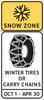 Is summer over already? It seems that the lawn is just coming out of dormancy in my yard but night time temperatures will soon dip below 7 degrees. That and the fact that it is almost
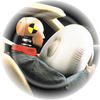 Question: Is it illegal to fail to replace an airbag in a rebuilt car? My car has dual front airbags, and after a major collision they did not deploy.
 The case of Tataryn v Browne involves a single vehicle rollover crash on Long Lake Road near Kamloops. Farm workers riding in the box of the pickup truck at the time of the crash were injured. Debra Browne found that the owner's responsibility for their vehicle meant that she was vicariously liable for damages.
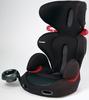 When I was young there was no such thing as a booster seat. We thought nothing of throwing a mattress in the back of the station wagon, loading up my brother and sisters and heading off on holidays. We would sprawl on that mattress reading comic books or playing games.
 The observation "five dollar head, five dollar helmet" was how one of my supervisors referred to motorcycle riders who wore beanie style helmets that would provide little or no protection in a crash.